
Windham,-Campbell Prizes Awarded To 8 Writers Totaling $1.4 Million
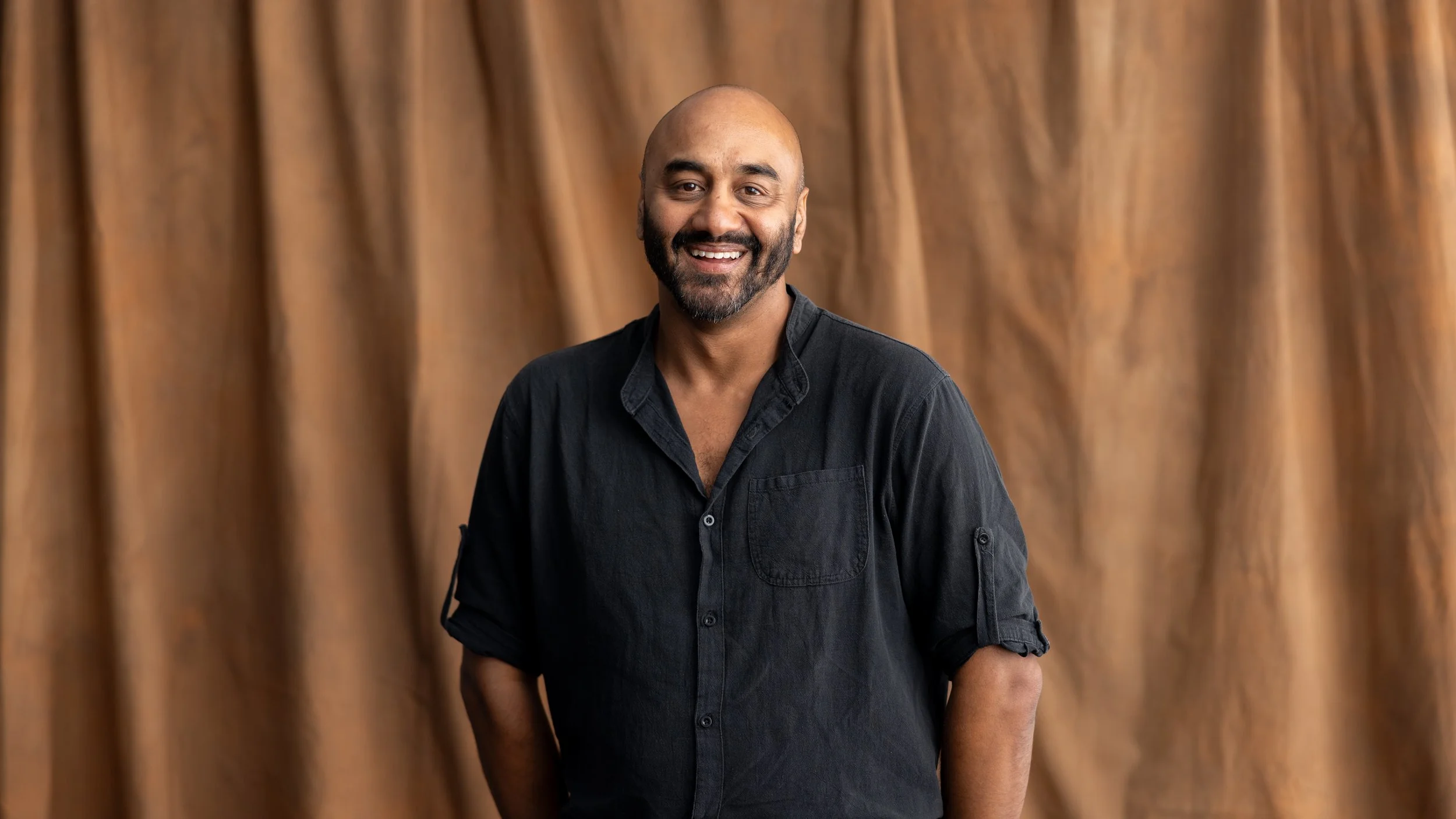
S. Shakthidharan (Australia/Sri Lanka)
US writers Lucy Sante, Adam Ehrlich Sachs, Christina Anderson, Joyelle McSweeney & Kei Miller w have been awarded one of the most significant and prestigious literary prizes in the world on April 8: a Windham-Campbell Prize worth $175,000 each.
These uniquely generous prizes – celebrating eight writers across fiction, nonfiction, poetry and drama – awarding $1.4m annually (over $20m over the past decade), has as its mission to allow writers to focus on their creative practice independent of financial concerns.
The 2026 recipients are: Gwendoline Riley (United Kingdom) and Adam Ehrlich Sachs (United States) in the category of fiction; Lucy Sante (United States/Belgium) and Kei Miller (Jamaica) in the category of nonfiction; Christina Anderson (United States) and S. Shakthidharan (Australia/Sri Lanka) in the category of drama; and Joyelle McSweeney (United States) and Karen Solie (Canada) in the category of poetry.
The American writers are:
Born in Verviers, Belgium, Lucy Sante is a master excavator of lived experience and an urgent voice for our times. Her contributions to the world of American letters began with Low Life: Lures and Snares of Old New York (1991), a daring descent into the city’s seedy excesses from 1840 to 1920. Named one of the Ten Best Books of 2024 by the New York Times, her most recent work I Heard Her Call My Name: A Memoir of Transition (2024) is a masterpiece of self-revelation chronicles the author’s gender transition in her late 60s. After teaching at Bard College for over two decades, Sante has retired from academia and lives in Kingston, New York.
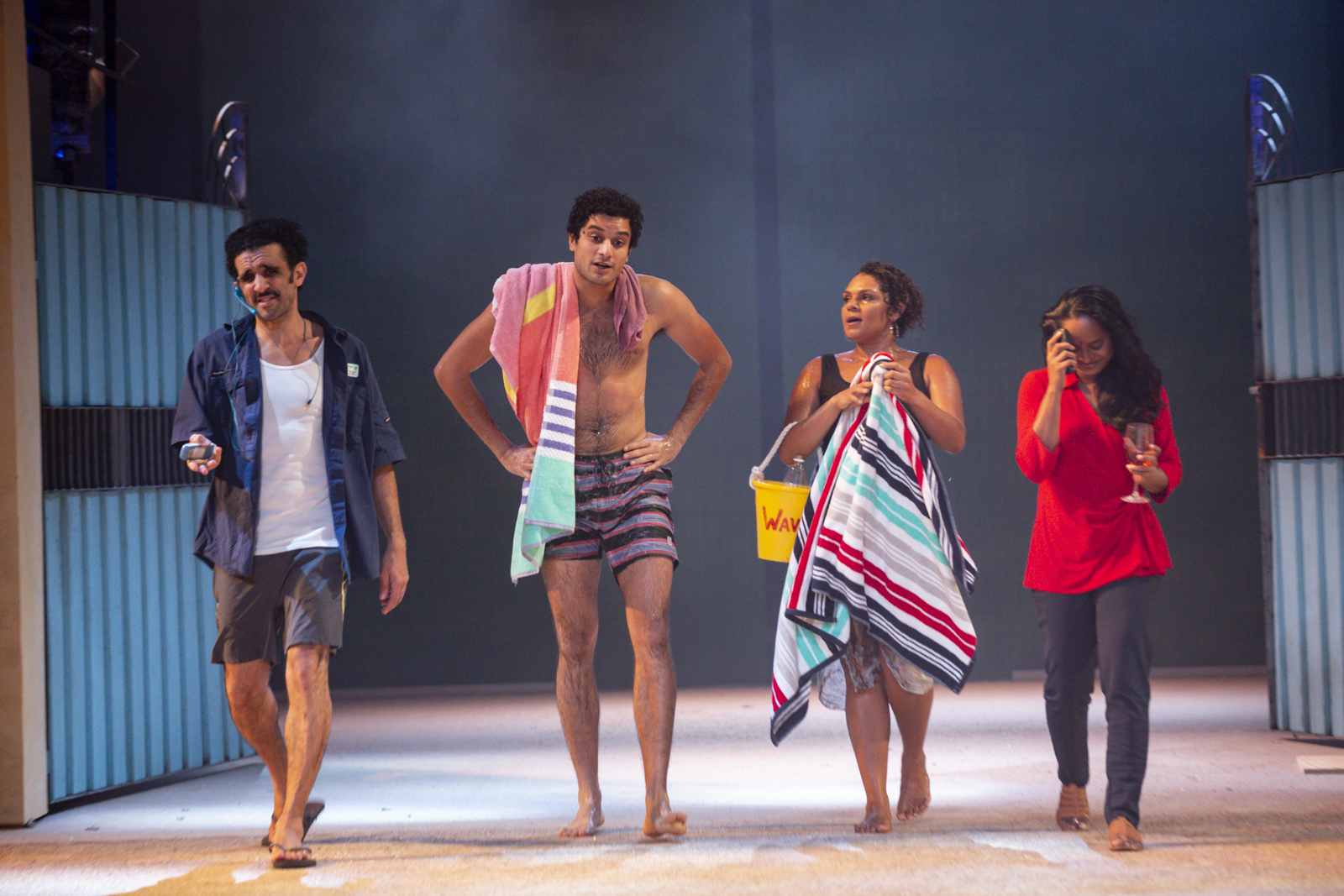
“Counting and Cracking” by S. Shakthidharan
- Adam Ehrlich Sachs is the author of three works of fiction—Gretel and the Great War (2024), The Organs of Sense (2019), and Inherited Disorders: Stories, Parables, and Problems (2016). Sachs’s prose, steeped in humor, provides readers with an entry point to explore the author’s obsessions, namely solipsism and whether we can know anything outside our own minds, including, most heartbreakingly, those closest to us. The recipient of a National Endowment for the Arts Fellowship in Literature (2018) and an American Academy in Berlin Fellowship (2019), Sachs lives in Pittsburgh, Pennsylvania with his family.
With a passion for history and a keen ear for language, Christina Anderson is an American playwright with a global audience. Her plays, from Inked Baby (2009) to the ripple, the wave that carried me home (2022), explore ways to endure the struggles that arise from trying to find one's place in a willfully ignorant society. Drawing on a youth immersed in the melodious rhapsody of spoken poetry and hip hop, Anderson has said, “Language is one of our biggest resources, so why not have fun with it?” The recipient of a Steinberg Playwright Award, among other honors, Anderson has taught playwriting at various institutions including her alma mater, the David Geffen School of Drama at Yale University.
With influences ranging from ancient Greek poetry to the post-industrial Rust Belt where she has long resided, Joyelle McSweeney’s originality lies in the way she blends notions of what it might mean for a poet to become a prophetess while also viewing the world from “very low down.” This personal exploration can be traced back to Toxicon and Arachne (2020), a meditation on an eight-year cycle of loss on both the individual and global scale. Winner of a Guggenheim Fellowship for Poetry (2022) among other honors, McSweeney is currently Chair of the English Department and the William P. and Hazel B. White Professor of English at the University of Notre Dame.
The author of eleven books, Kei Miller lives between the United States and Jamaica, where he was born. Miller burst onto the literary scene as a writer of poems and short stories before turning his formidable talents to nonfiction. Drawing on the intellectual lineages of Dionne Brand and James Baldwin, Miller gives voice to what is often left unsaid when it comes to race, sex, gender, and nation. Moving with grace across the overgrown terrain of the unsayable, Miller’s variegated oeuvre takes readers on a transformative journey through form and genre.
Previous US writers that have been awarded a Windham-Campbell Prize include Sigrid Nunez (Fiction, 2025), Tongo Eisen-Martin (Poetry, 2025), Hanif Abdurraqib (Nonfiction, 2024), Christina Sharpe (Nonfiction, Canada/United States, 2024), Percival Everett (Fiction, 2023), Ling Ma (Fiction, 2023), Dominique Morisseau (Drama, 2023), Margo Jefferson (Nonfiction, 2022), Vivian Gornick (Nonfiction, 2021), Michael R. Jackson (Drama, 2021), Bhanu Kapil (Poetry, United States/United Kingdom, 2020), Anne Boyer (Nonfiction, 2020), Cathy Park Hong (Poetry, 2018), C. E. Morgan (Fiction, 2016), Branden Jacobs-Jenkins (Drama, 2016), and Jeremy Scahill (Nonfiction, 2013).
Past international recipients include Anne Enright (Fiction, Ireland, 2025), m. nourbeSe philip (Poetry, Canada/Trinidad and Tobago, 2024), Dionne Brand (Canada/Trinidad & Tobago, 2021), Tsitsi Dangarembga (Fiction, Zimbabwe, 2022), Lorna Goodison (Poetry, Jamaica/Canada, 2018), Olivia Laing (Nonfiction, United Kingdom, 2018), Marina Carr (Drama, Ireland, 2017), Helen Garner (Nonfiction, Australia, 2016), Edmund de Waal (Nonfiction, United Kingdom, 2015), Helon Habila (Fiction, Nigeria, 2015), and Pankaj Mishra (Fiction, India, 2014).
The Prizes were the brainchild of lifelong partners Donald Windham and Sandy M. Campbell. The couple were deeply involved in literary circles, collected books avidly, read voraciously as well as penning various works. For years they had discussed the idea of creating an award to highlight literary achievement and provide writers with the opportunity to focus on their work independent of financial concerns. When Campbell passed away unexpectedly in 1988, Windham took on the responsibility for making this shared dream a reality. The first prizes were announced in 2013.
The Prizes are administered by Yale University’s Beinecke Rare Book & Manuscript Library, and nominees for the Prizes are considered by judges who remain anonymous before and after the prize announcement. Recipients write in the English language and may live in any part of the world.